




Nigeria’s National Assembly Debates Subsidy Reform Amid Rising Inflation


Introduction
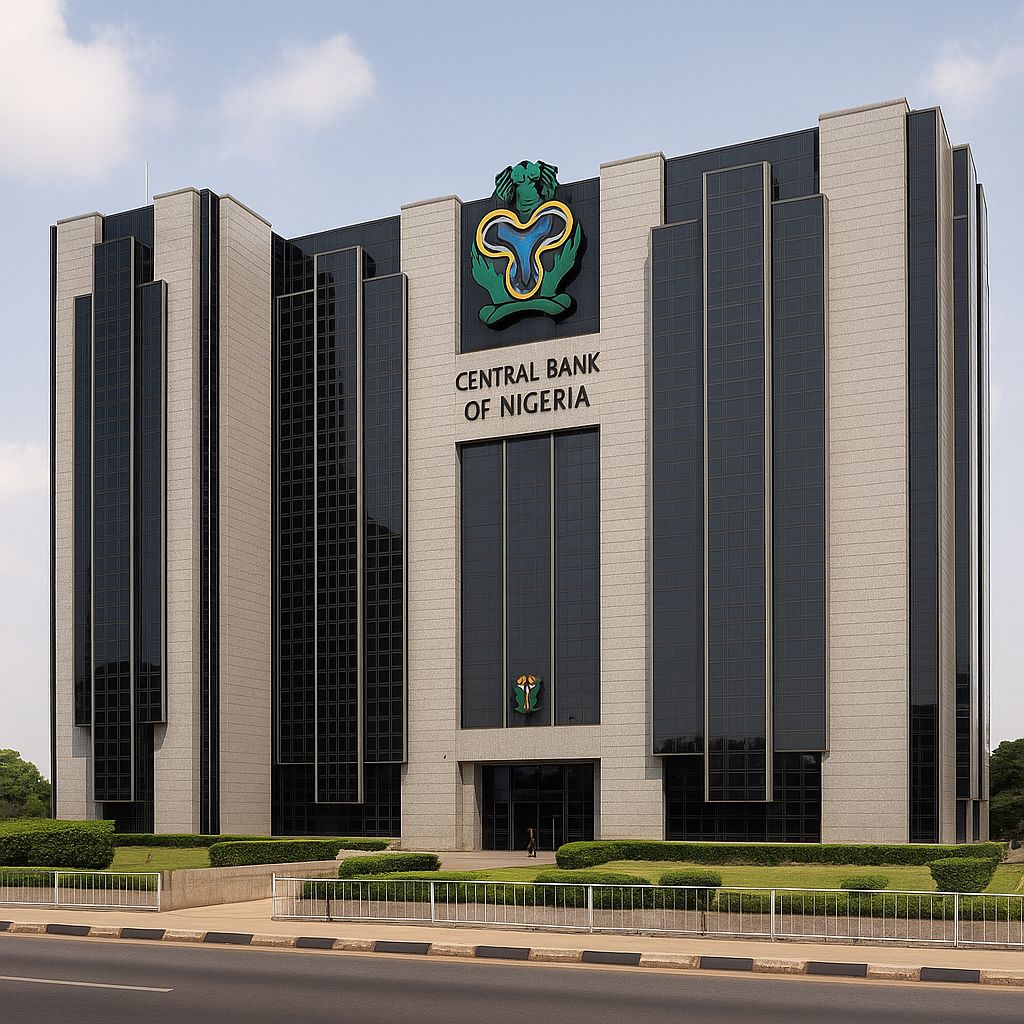
Nigeria’s National Assembly has reopened heated debates over the future of fuel subsidies, a policy that has historically strained government finances while cushioning citizens from soaring petrol prices. With inflation climbing above 30% and the naira under persistent pressure, lawmakers in Abuja are grappling with whether subsidy reforms can provide relief or trigger further hardship.
Why It Matters
Fuel subsidies have long been both a safety net and a fiscal burden. For decades, Nigeria — Africa’s largest oil producer — has spent billions annually to keep petrol prices artificially low. Yet critics argue this diverts resources away from critical infrastructure, healthcare, and education. As global oil prices fluctuate, the cost of maintaining subsidies continues to balloon, adding pressure to government budgets.
The Debate Inside the Assembly
– Pro-reform lawmakers argue that subsidies overwhelmingly benefit wealthier Nigerians who consume more petrol, while poor households often receive little of the intended relief. Removing subsidies, they claim, would free funds for targeted programs such as youth employment schemes and SME support.
– Opposition voices insist that sudden removal would unleash hardship, especially for low-income families already facing rising food prices and unemployment. They advocate for phased reforms tied to public transportation investments and food price stabilization.
A senator from Lagos noted: “Without alternatives, removing subsidies is like throwing fuel on an already burning fire of inflation.”
Economic Experts Weigh In
Analysts say subsidy reform is unavoidable but stress timing and implementation. A recent Lagos Business School policy brief suggested:
– Gradual removal over 2–3 years.
– Direct cash transfers to vulnerable households.
– Investments in rail and mass transit to offset higher commuting costs.
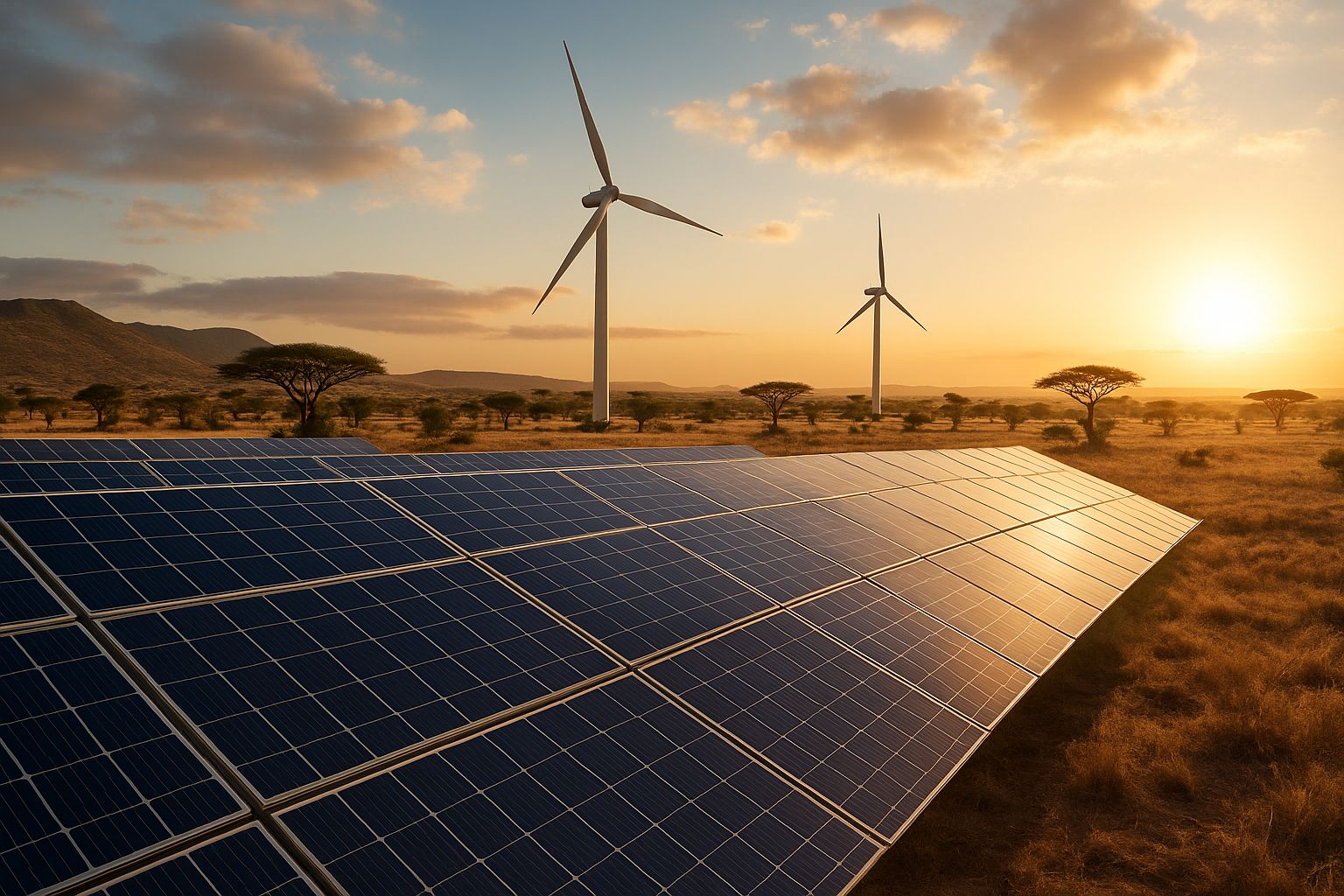
Some also recommend channeling savings into renewable energy projects, reducing dependency on imported fuel while creating new jobs.
The People’s Perspective
On the streets of Abuja and Lagos, reactions are mixed. Transport operators fear higher petrol prices will increase fares, straining commuters. Small business owners, however, recognize the long-term potential if government reinvests subsidy savings into power supply and digital infrastructure.
Chrome Perspective
At Chrome News, we see the subsidy debate as more than an economic policy issue — it is a test of governance. Can Nigeria balance fiscal responsibility with compassion for its citizens? The real challenge lies not only in removing subsidies but in ensuring transparent reallocation of resources. If subsidy funds are visibly invested into infrastructure, health, and education, Nigerians may accept short-term pain for long-term gain.
Outlook
With elections approaching in some states, political appetite for tough reforms remains uncertain. Yet most economists agree: the subsidy era cannot last forever. What matters now is how Nigeria manages the transition without leaving its most vulnerable behind.