





Leadership in Transition: What Africa’s Next Generation of Leaders Must Learn


Introduction: The Crossroads of African Leadership
Africa stands at a defining moment in history. Across the continent, there is a clear acknowledgment that leadership—both political and societal—has failed to fully meet the aspirations of the people. Corruption, short-term policies, and a lack of inclusive governance have created cycles of poverty and instability despite abundant natural and human resources.
Yet, amid these challenges, Africa’s youthful population—over 60% under the age of 25—is pushing for a new kind of leadership. The next generation of leaders must learn from the mistakes of the past, draw from Africa’s deep well of traditional wisdom, and embrace innovation to create lasting change.
This is not just a political transition; it is a cultural, economic, and moral shift. The question is: What must Africa’s next generation of leaders learn to make the continent thrive?
Current Leadership Crisis: The Roots of the Problem
Several themes dominate discussions about Africa’s leadership challenges:
1. Corruption and Lack of Accountability
Across multiple states, corruption remains systemic. Funds meant for education, healthcare, or infrastructure are siphoned into private accounts. This erodes trust and discourages citizens from participating in governance.
2. Short-Term Vision
Many leaders focus on staying in power rather than building institutions. Infrastructure projects are often rushed for election campaigns rather than designed for generational impact.
3. Exclusion of Youth and Women
Despite making up the majority of Africa’s population, young people and women are still marginalized in governance. Cabinets and parliaments are dominated by older elites, creating policies out of sync with the realities of the majority.
4. Dependency Mindset
Some leaders remain overly dependent on foreign aid and extractive partnerships, rather than building Africa’s internal capacity. This undermines sovereignty and perpetuates cycles of dependency.
Traditional Wisdom: Lessons from African Proverbs
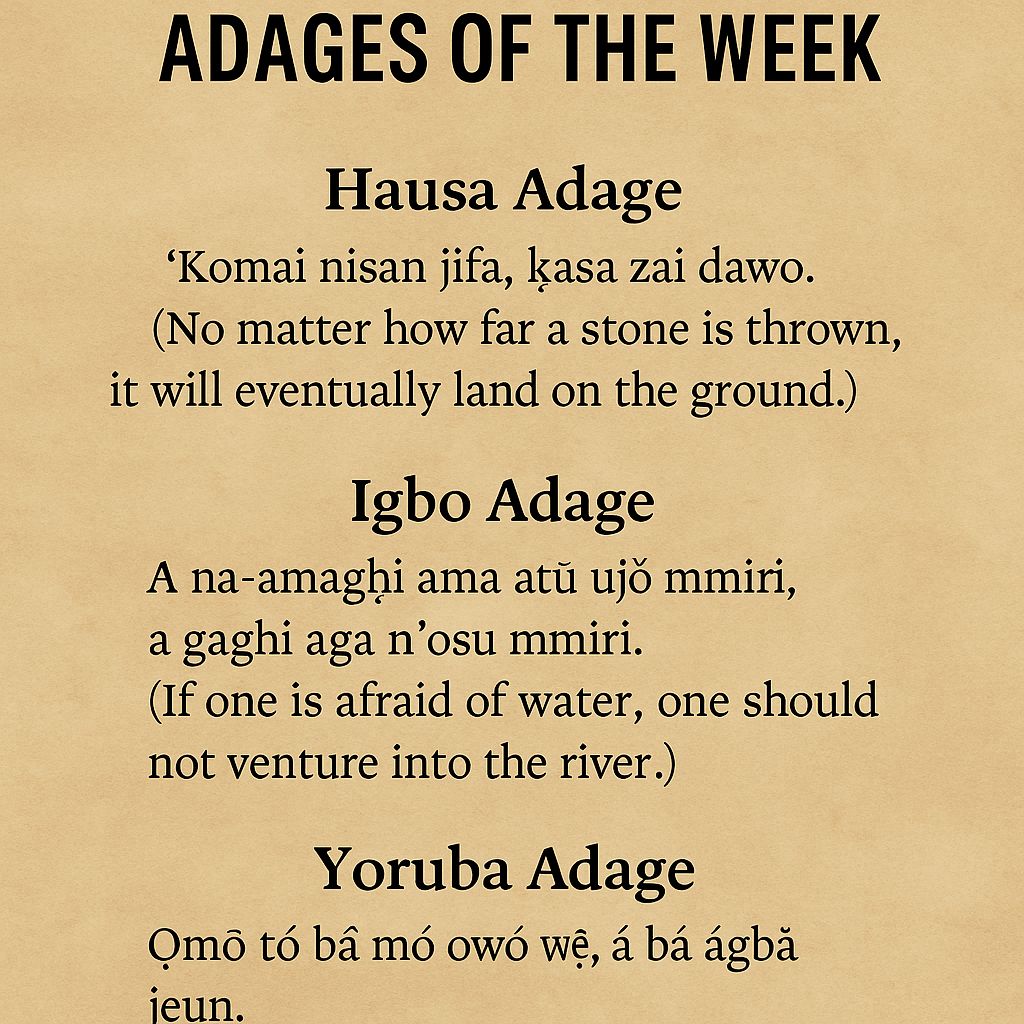
African societies have long passed down leadership principles through proverbs and oral traditions. These teachings remain relevant today.
– “A leader who does not take advice is not a chief.” (Akan proverb, Ghana)
Leaders must learn humility and the value of collective wisdom.
– “An elder does not sit in the house while the children are cold outside.” (Yoruba proverb, Nigeria)
Leadership is about service, not privilege.
– “He who thinks he leads but has no followers is only taking a walk.” (East African proverb)
True leadership is measured not by titles, but by the trust and loyalty of the people.
Embedding these principles into modern governance means promoting servant leadership, inclusivity, and accountability.
Case Studies: Emerging Young Leaders
Despite the dominance of older elites, younger leaders are beginning to reshape narratives across Africa.
1. Bogolo Kenewendo (Botswana)
At just 30, she became Botswana’s Minister of Investment, Trade, and Industry. She prioritized digital transformation, women’s empowerment, and inclusive growth, proving that competence, not age, should determine leadership.
2. David Moinina Sengeh (Sierra Leone)
As the Minister of Basic and Senior Secondary Education, he has pushed radical reforms to expand access to education and integrate technology. His leadership is data-driven, transparent, and focused on empowering youth.
3. Ngozi Okonjo-Iweala (Nigeria, global leadership)
While not “young,” her career is a model for future leaders. As WTO Director-General, she embodies integrity, gender inclusivity, and global influence rooted in African identity.
4. Private-Sector Trailblazers
Entrepreneurs like Iyinoluwa Aboyeji (Flutterwave co-founder) and Temie Giwa-Tubosun (LifeBank founder) are redefining leadership beyond politics—showing how innovation and vision can solve real problems.
These examples illustrate that leadership is no longer confined to politics. Africa’s transformation will be driven by those who can combine ethics, innovation, and empathy.
The Role of Women and Youth in Leadership Transition
No leadership transition is complete without deliberately including women and youth.
– Women as Nation Builders
Studies show that parliaments with greater female representation pass more inclusive policies, particularly in healthcare and education. Rwanda, with one of the highest proportions of women in parliament globally, is often cited as a case study.
– Youth as Innovators
Young Africans are leading in technology, agriculture, and culture. If given political voice, they could bring this same creativity to governance.
To exclude women and youth is to deny Africa the energy and innovation needed for its future.
The Role of Media: Why Chrome News Matters
Leadership is not just about those in office; it is about the narratives that shape societies. Media outlets like Chrome News can play a decisive role in this transition.
– Accountability Watchdogs
By publishing investigative journalism, fact-checks, and analyses, Chrome News can keep leaders accountable.
– Educating the Public
Through features on governance, culture, and the diaspora, media can raise civic awareness and empower citizens to demand better leadership.
– Amplifying Youth Voices
By highlighting youth-led innovations and leadership stories, Chrome News can validate new role models for the continent.
This is why building credible media is as important as building strong institutions.
—
Building the Next Generation: Lessons for Tomorrow’s Leaders
The next generation must absorb several lessons to ensure Africa’s leadership renaissance:
1. Integrity as Non-Negotiable
Without honesty, no leader can build trust. Integrity must become the foundation of leadership.
2. Vision Beyond Elections
Leaders must plan 30–50 years ahead, not just for electoral cycles. Africa needs master plans for education, energy, infrastructure, and healthcare.
3. Inclusivity as Strategy
True leaders embrace diversity across ethnicity, gender, and generation. Unity in diversity is Africa’s greatest asset.
4. Technology as Governance Tool
Digital platforms can improve transparency (e-governance), engage youth, and reduce corruption.
5. Global Mindset, Local Relevance
Leaders must engage globally while staying rooted in African realities. Diaspora partnerships and lessons from Asia or the Middle East can guide Africa’s diversification journey.
Conclusion: From Crisis to Opportunity
Africa’s leadership crisis is real, but so is the opportunity. The continent’s youthful population, vibrant diaspora, and rich cultural traditions form the foundation for a new era.
The next generation of African leaders must:
– Reject corruption.
– Embrace long-term planning.
– Include women and youth.
– Harness technology.
– Serve with humility and integrity.
Leadership is not about holding power; it is about transforming lives. As African proverbs remind us, “The chief is the servant of the people.”
If the next generation internalizes this lesson, then Africa will not just transition its leadership—it will redefine it for the world.
